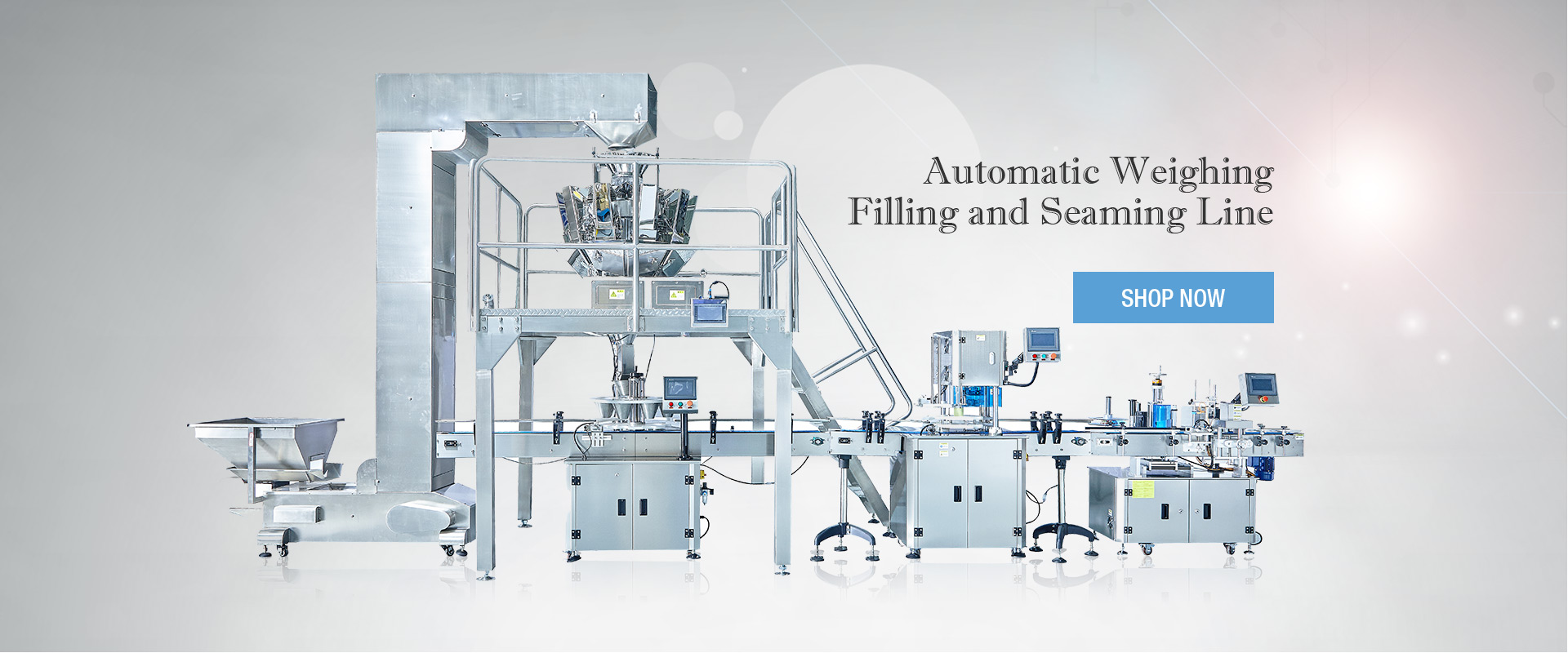



As a packing machine line factory, Guangzhou Full Harvest Industries Co., Ltd. supplies coordinated packaging equipment for powders, granules, sauces, beverages and other compatible products. The range includes can and bottle packaging lines, selected cleaning and closing systems, and premade pouch packaging equipment. Depending on the application, a configuration may combine container feeding, cleaning, quantitative filling, sealing or capping, labeling, coding and collection.
These systems serve manufacturers planning a new packaging process or connecting additional equipment to an existing line. The appropriate arrangement depends on the product, package format and required operations: powders may use auger filling, granular products may use linear or multihead weighing, and selected liquid or sauce lines use piston filling. Closure equipment must also match the package, whether it requires can seaming, screw capping or pouch sealing.
Not every listed system includes every operation. Some configurations focus on weighing and filling, while others combine closing, labeling and collection. Buyers should compare the included stations, container compatibility and required output before selecting a line, rather than assuming that a category title represents a complete, identical process for every application.
Begin with the product and finished package, then define the operations needed between incoming materials and the completed pack. This produces a more useful equipment specification than selecting a line by product name or maximum advertised speed alone.
Product characteristics: identify powder flow behavior, granule size and fragility, or liquid viscosity, filling temperature and particle content.
Package format: provide can, bottle or pouch dimensions, material, opening details and the intended closure.
Required process: distinguish essential operations from optional stations, including cleaning, filling, nitrogen flushing, closing, labeling and coding.
Production requirement: specify accepted packs per minute for the main product and package combinations.
Existing equipment: identify machinery to retain, conveyor interfaces, available floor space and utilities.
Changeover needs: list the formats sharing the line and how frequently production changes between them.
For a factory assessment, request an itemized configuration, the basis of the output estimate and confirmation of which operations are included. A filling system, a closing line and a complete packaging arrangement represent different supply scopes.
The following comparison organizes the available range by processing task. It is a selection guide, not a statement that every machine within a group has the same features.
| Line Type | Relevant Products or Packages | Configuration Focus | Buyer Check |
|---|---|---|---|
| Powder filling and packaging lines | Compatible milk powder, protein powder and other powders | Auger filling, selected weighing arrangements and downstream packaging stations | Confirm powder behavior, fill quantities, dust-handling provisions and included closing equipment |
| Granule weighing and can packaging lines | Nuts, seeds, cereals, candies and other compatible solids | Linear or multihead weighing with selected feeding, closing and labeling equipment | Check product size, breakage sensitivity, container opening and weighing performance |
| Liquid and sauce packaging lines | Compatible juices, sauces, dressings and jams | Selected piston filling configurations with package-specific closing and collection | Confirm viscosity, particles, temperature and the exact container and closure |
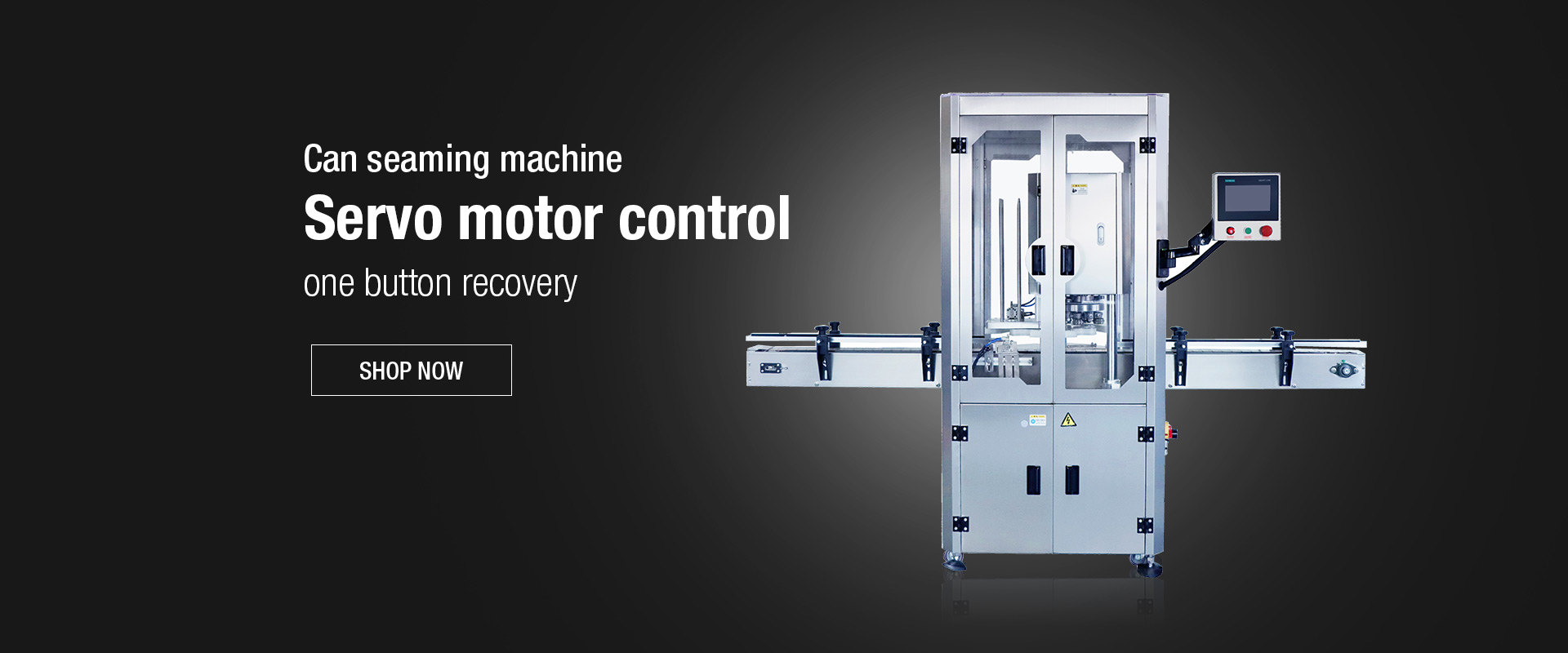
| Paper can cleaning and closing lines | Compatible paper cans for tea, snacks and other products | Cleaning, sealing and container collection | Confirm can construction, end design and whether filling is supplied separately |
| Seafood can closing and labeling lines | Compatible seafood, caviar and canned meat packages | Selected vacuum seaming, labeling, overcap application and collection | Define product loading, closing conditions and any processing outside the supplied line |
| Premade pouch packaging equipment | Compatible nuts, grains, seeds, snacks and other solid products | Pouch picking, opening, filling and sealing | Provide pouch construction, dimensions, seal area and filling requirements |
Cleaning, UV treatment, metal detection, nitrogen flushing and vacuum closing appear in selected configurations. Their presence, operating conditions and verification requirements must be confirmed for the chosen system; none should be assumed to apply to the entire range.
The metering method should suit the material being handled. The listed range includes auger systems for selected powders, weighing systems for granular products and piston filling for selected liquid and sauce applications. Performance needs confirmation against the actual formulation and fill quantity.
For granular products, compare linear and multihead weighing against the product characteristics and output requirement. For powders, confirm the auger arrangement and any supplementary weighing. For sauces, provide viscosity, temperature and particle information before accepting a filling proposal.
A seamed can, a screw-capped plastic jar and a heat-sealed pouch require different closing processes. Provide container and closure drawings or samples so that the closing operation can be evaluated together with filling and transfer.
If the package requires a specified atmosphere or vacuum condition, define the acceptance requirement separately. Including a nitrogen-flushing or vacuum station does not by itself establish a shelf-life result or validated preservation process.
Guangzhou Full Harvest Industries Co., Ltd. assists buyers in combining filling, can seaming, capping and labeling equipment according to the packaging requirement. Configuration work should distinguish adjustments within a selected machine's confirmed range from changes requiring additional parts, trials or engineering.
Station selection: identify which feeding, cleaning, filling, closing, labeling, coding and collection operations belong in the supply scope.
Metering arrangement: select an available auger, linear weighing, multihead weighing or piston filling configuration for assessment.
Container handling: review guides, transfer points and format components against the proposed package range.
Closure configuration: assess seaming, capping or pouch sealing against the package design.
Layout and interfaces: review equipment order, conveyor connections and available installation space.
Controls and utilities: define the required power supply, machine interfaces and any additional project requirements.
Format changes within an approved operating range may use existing adjustment provisions. New container geometry, different closure tooling, additional stations or special cleaning requirements may need further assessment. These changes should be identified in the proposal rather than treated as standard adjustments.
Private labeling, machine colors, special material specifications and destination-specific electrical or documentation requirements should be stated separately. Their availability and effect on the project need confirmation; they are not assumed standard customization options.
A technically useful quotation should make the system boundary clear. Buyers need to know what is supplied, what must be provided on site and how the proposed performance will be checked.
Included equipment: request a station list identifying supplied machines, accessories and exclusions.
Performance conditions: confirm the product, package, fill quantity and operating conditions behind the stated output.
Materials and cleaning: verify relevant product-contact materials and the intended cleaning procedure for each machine.
Trial scope: establish whether product and container testing is available and what evidence will be recorded.
Commercial terms: confirm order quantity, lead time, export packing and any installation or training scope.
Documentation: identify the drawings, manuals, test records and applicable compliance documents required for the destination.
No single filling accuracy, production speed or certification should be applied across this category. These details belong to the selected equipment and the agreed project specification.
Guangzhou Full Harvest Industries Co., Ltd. combines research and development, design, production and sales of can packaging machinery for international customers. Its equipment range includes filling machines, can seamers, capping machines and labeling machines, with line arrangements assembled around the buyer's product and package.
For packing machine line projects, the company offers configurations spanning powder filling, granular-product weighing, selected liquid and sauce filling, container closing and downstream labeling. Its broader business serves food, beverage, pharmaceutical and chemical packaging applications, with suitability assessed for the selected system.
Guangzhou Full Harvest Industries Co., Ltd. supplies individual packaging machines and coordinated configurations for selected powders, granules, liquids and sauces. The range includes can and bottle systems, paper can cleaning and closing arrangements, and premade pouch packaging equipment.
No. Some listed systems focus on weighing and filling, while others cover cleaning, closing or downstream handling. Confirm the supplied stations and exclusions in the quotation before comparing proposals.
That depends on the selected machines, metering method and approved format range. Some changes may use existing adjustments, while others require format parts, different dosing equipment or separate trials. Provide the complete product and package list for assessment.
These functions appear in selected systems, not every line. Specify the required process and acceptance criteria so that the appropriate equipment and scope can be confirmed.
Trial availability depends on the equipment and project. Agree the sample quantities, handling requirements, test conditions, schedule and any charges before sending materials. Define which results are needed for the purchasing decision.
Order quantity and lead time depend on the confirmed configuration and commercial quotation. Request documentation for the specific machines and destination requirements; do not assume that a claim for one model applies to the complete line.
For an initial configuration review, provide the following details through the existing inquiry form:
Product: material type and relevant flow, viscosity, temperature or particle information.
Package: can, bottle or pouch type, dimensions, material and closure details.
Production: target fill quantity, required accepted packs per minute and main format combinations.
Process: required stations and any equipment that must remain in the existing line.
Installation: available layout, destination, power supply and relevant utility restrictions.
Project scope: number of lines, special requirements and any requested sample testing or documentation.
These inputs help Guangzhou Full Harvest Industries Co., Ltd. identify a suitable configuration and clarify the quotation scope. Detailed specifications, trial arrangements, delivery terms and export packing can then be confirmed for the selected system.
No.3 Gongye South Road,Mingzhu Industrial Park,Conghua District ,Guangzhou City 510900,China
+86 20 3751 0321
FOLLOW US


Tel/ Fax: +86 20 3751 0321
E-mail: sales@gzfharvest.com
Add: No.3 Gongye South Road,Mingzhu Industrial Park,Conghua District ,Guangzhou City 510900,China