

Mar. 25, 2026
Beverage can sealing machines serve as the critical final step in packaging lines, transforming open containers into securely sealed products ready for distribution and consumption. These machines face intense scrutiny from procurement teams who ask fundamental questions about production speed, container compatibility, seal integrity, safety features, and long-term reliability. Modern beverage can sealing machines have evolved significantly from basic mechanical seamers to sophisticated servo-controlled systems that address all these concerns with precision engineering.
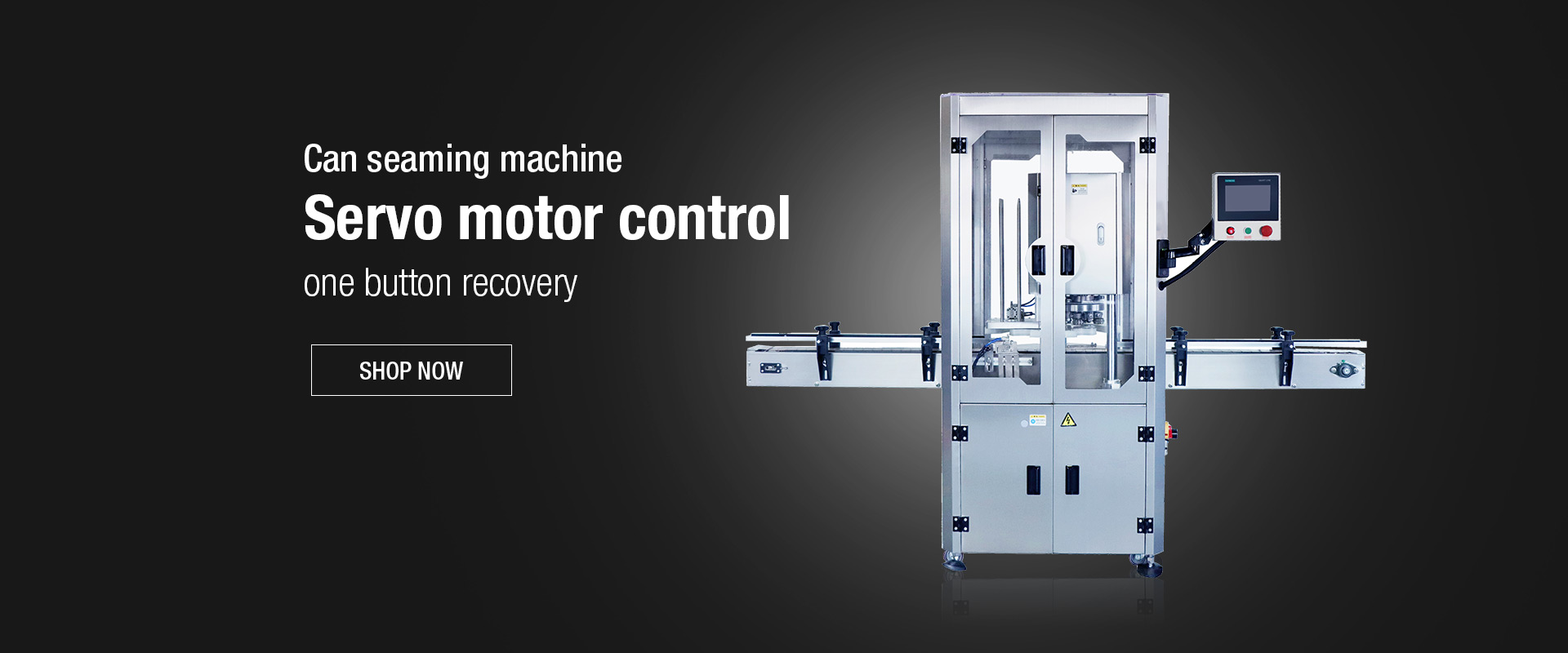
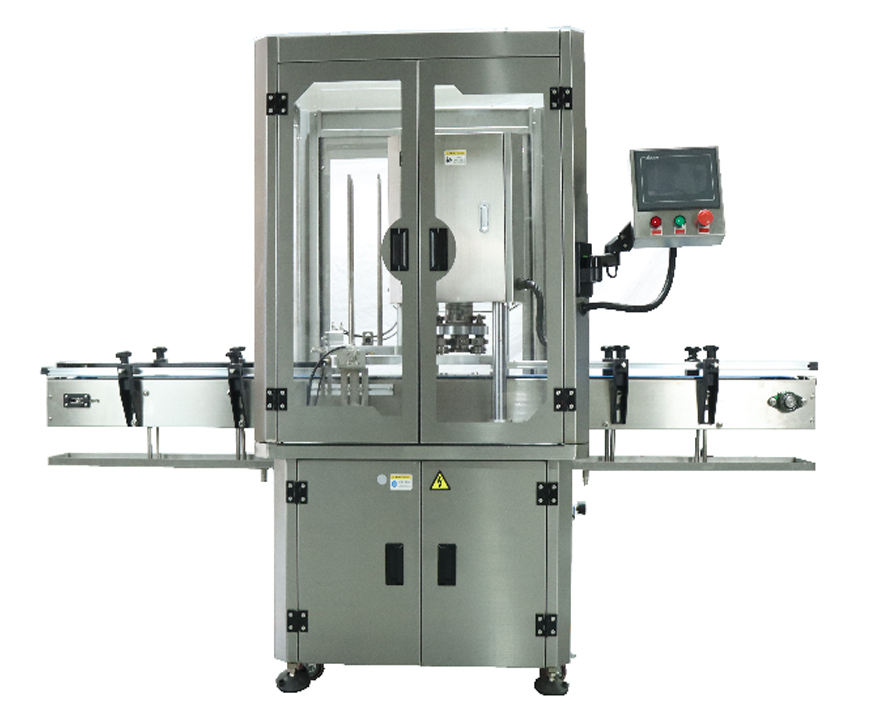
Advanced beverage can sealing machines incorporate full servo control systems that provide intelligent operation far beyond traditional pneumatic or mechanical designs. The primary customer question revolves around operational reliability under continuous production conditions, making features like automatic jam detection, one-button reset functionality, and waterproof construction essential for real-world beverage manufacturing environments.
Procurement professionals consistently ask which features separate reliable beverage can sealing machines from basic models that create ongoing production headaches. Understanding these differentiators helps manufacturers select equipment that delivers maximum ROI through reduced downtime, consistent quality, and minimal maintenance requirements.
Critical features that define superior beverage can sealing machines include:
- Full servo-controlled turntable operation that activates only when containers are detected, eliminating unnecessary wear and energy waste
- Automatic detection systems that stop operation during jams or foreign object intrusion, preventing equipment damage and ensuring operator safety
- One-button reset functionality that clears errors and resumes production within seconds rather than requiring manual intervention
- Four synchronized seaming rollers operating simultaneously to achieve superior seal strength compared to sequential operations
- Non-rotating container design during sealing that eliminates spillage risks and protects fragile or liquid-filled packaging
- Complete waterproof construction suitable for wash-down environments common in food and beverage facilities
- Transparent safety covers providing both protection and clear visibility of the sealing process
Technical buyers frequently request detailed explanations of the sealing mechanism to verify compatibility with their specific containers and production requirements. Understanding the engineering behind beverage can sealing machines reveals why certain designs deliver consistent results across diverse applications while others struggle with quality control.
The sealing process begins with precise container positioning followed by synchronized roller engagement that forms a double seam around the container lid. Servo motors control all critical movements with micron-level accuracy, ensuring repeatable results regardless of container variations or production speed.
1. Container detection triggers turntable rotation and precise positioning under the sealing head
2. Four seaming rollers engage simultaneously - two for first operation forming, two for second operation tightening
3. Servo-controlled pressure and rotation create the interlocking double seam without container spinning
4. Quality verification occurs through dimensional checks and leak testing protocols
5. Completed containers exit the turntable for downstream packaging or palletizing
Production managers ask specific questions about capacity ranges, container compatibility, facility requirements, and integration capabilities when evaluating beverage can sealing machines. Comprehensive specifications provide the data needed to match equipment capabilities with actual manufacturing needs.
Industry-leading beverage can sealing machines offer specifications optimized for mid-volume production with maximum flexibility:
- Production capacity: 33-50 cans per minute accommodating various container sizes and fill levels
- Sealing head configuration: Single head with four seaming rollers (two first operation, two second operation)
- Container diameter range: 35-130mm covering standard beverage and food packaging formats
- Sealing height adjustment: 25-220mm range for diverse container heights from small tins to tall jars
- Electrical requirements: Single-phase AC220V 50/60Hz, total power consumption 1.7-2.1KW
- Physical footprint: L2650 × W840 × H1650mm, weight approximately 330KG
- Operating environment: 0-45°C temperature range, 35-85% humidity tolerance
Engineering teams demand direct comparisons between beverage can sealing machine technologies to justify capital investments. Understanding relative strengths across mechanical, pneumatic, and servo-controlled systems clarifies why modern designs dominate high-volume production environments.
The following comparison highlights why servo-controlled beverage can sealing machines outperform legacy technologies:
| Feature | Servo-Controlled Seamer | Pneumatic Seamer | Mechanical Seamer |
|---|---|---|---|
| Production Speed | 35-50 cans/min | 20-30 cans/min | 15-25 cans/min |
| Sealing Rollers | 4 simultaneous | 3 sequential | 2 sequential |
| Container Rotation | None (safer) | High-speed | Continuous |
| Jam Recovery Time | 3 seconds | 5-10 minutes | 15+ minutes |
| Energy Efficiency | 1.7-2.1KW | 3.0-5.0KW | 2.5KW average |
| Waterproof Rating | Full wash-down | Partial | None |
| Container Diameter Range | 35-130mm | 50-110mm | 40-100mm |
| Maintenance Frequency | Monthly | Weekly | Daily |
Packaging engineers frequently ask which container types work reliably with beverage can sealing machines and whether one machine can handle their diverse product portfolio. Modern designs demonstrate exceptional versatility across material types, shapes, and industry applications.
Advanced beverage can sealing machines excel with multiple container formats commonly used in food and beverage production:
- Aluminum cans including standard 330ml, 500ml beverage formats and specialty shapes
- Tinplate containers for food products, condiments, and chemical packaging
- Plastic PET and HDPE jars requiring precise sealing without deformation
- Paperboard composite containers for premium beverage packaging
- Glass jars suitable for non-rotating sealing process that prevents breakage
- Mixed material containers combining plastic, metal, and paper components
Production supervisors consistently ask about setup procedures, cleaning requirements, and routine maintenance schedules for beverage can sealing machines. Proper protocols maximize uptime while maintaining food safety compliance in beverage manufacturing environments.
Comprehensive operation procedures ensure optimal performance and longevity:
1. Pre-shift inspection verifies servo motor functionality, safety interlocks, and roller alignment
2. Daily cleaning protocol uses 2 liters clean water run through machine followed by sanitized wipe-down
3. Weekly lubrication of seaming roller bearings using food-grade grease specification
4. Monthly calibration of sealing height and roller gap settings using precision gauges
5. Quarterly comprehensive inspection including servo drive diagnostics and safety system testing
6. Annual professional service recommended for high-volume production environments
Beverage packaging professionals raise identical questions when evaluating new sealing equipment. Addressing these concerns upfront builds confidence in equipment selection and long-term performance expectations.
Frequently asked questions reveal the practical considerations behind beverage can sealing machine purchases:
- Will this machine handle both aluminum cans and plastic PET jars without adjustments? Yes, universal tooling accommodates 35-130mm diameter range seamlessly
- What actual production speed can I expect with standard 330ml filled beverage cans? Reliable 40-50 cans per minute in continuous operation
- How does the machine handle production interruptions like container jams? Intelligent servo system stops automatically with one-button recovery in 3 seconds
- Is the waterproof design suitable for daily wash-down in beverage facilities? Full waterproof construction meets GMP sanitation requirements completely
- What training time is required for operators to achieve full proficiency? Complete training accomplished in 4-6 hours including troubleshooting procedures
Quality assurance managers ask rigorous questions about testing protocols and seal performance validation for beverage can sealing machines. Industry standards demand comprehensive inspection procedures beyond visual appearance checks.
Professional beverage can sealing machine installations include multiple quality verification methods:
- First-article inspection verifies critical dimensions including seam height, width, and body hook formation
- Statistical process control monitors seal dimensions across production runs using automated measurement
- Destructive testing on production samples confirms seam strength exceeds container pressure requirements
- Leak testing protocols using vacuum or pressure decay methods validate 100% seal integrity
- Documentation packages provide full traceability from seamer setup through final production validation
Production managers request concrete evidence of performance improvements before committing to beverage can sealing machine investments. Actual implementation results provide the most compelling justification for technology upgrades.
A Southeast Asian functional beverage manufacturer documented dramatic improvements after installing advanced servo-controlled beverage can sealing machines across three production lines. The transition from pneumatic seamers addressed chronic quality and downtime issues that threatened brand reputation.
Documented results from first 90 days of operation included:
- Production capacity increased 68% from 25 cans/min to 42 cans/min across all lines
- Seal qualification rate improved from 96.2% to 99.8% eliminating packaging waste costs
- Average downtime per incident reduced from 45 minutes to 3 minutes through intelligent recovery
- Energy consumption decreased 32% supporting corporate sustainability initiatives
- Operator training completed in 4 hours versus 2 days required for previous equipment
Packaging engineers frequently ask about compatibility with existing filling lines, conveyor systems, and downstream packaging equipment. Seamless integration represents a major capital expenditure concern for beverage manufacturers.
Successful beverage can sealing machine installations require careful planning across multiple integration factors:
- Conveyor height matching with ±5mm tolerance for smooth container transfer
- Synchronization with upstream fillers using encoder feedback and PLC communication
- Electrical panel compatibility with facility power distribution standards
- Compressed air requirements verification at 0.6-0.8MPa operating pressure
- Safety interlock integration with facility emergency stop systems
- Ethernet/IP or Modbus communication protocols for production data logging
Forward-thinking packaging executives ask about emerging technologies and capability roadmaps for next-generation beverage can sealing machines. Industry evolution continues to address higher speeds, greater automation, and enhanced quality control.
Anticipated developments in beverage can sealing machine technology include:
- Vision systems for 100% inline seal inspection using machine learning algorithms
- Quick-change tooling systems reducing size changeover from 60 minutes to 5 minutes
- IoT connectivity providing predictive maintenance and real-time production analytics
- Hybrid servo-hydraulic systems combining precision with higher force capacity
- Advanced materials for seaming rollers extending service life beyond current 12-month averages
- Robotic container handling eliminating manual intervention in high-volume lines
Financial controllers demand detailed ROI calculations before approving beverage can sealing machine purchases. Comprehensive analysis considers both direct cost savings and indirect production improvements.
Typical investment analysis reveals compelling financial justification:
- Equipment payback period averages 14-18 months based on documented production gains
- Labor cost reduction of 35-40% through automated operation and reduced intervention
- Packaging waste elimination generates 15-25% material cost savings annually
- Energy efficiency improvements reduce utility costs by 30% compared to pneumatic systems
- Extended shelf life through superior sealing reduces product returns by 20-30%
- Maintenance cost reduction of 50% through predictive analytics and durable components
Plant managers ask practical questions about space requirements, utility connections, and installation timelines for beverage can sealing machines. Proper facility preparation ensures smooth commissioning and immediate production capability.
Essential facility preparation includes:
1. Electrical service verification for single-phase 220V 50/60Hz with dedicated circuit protection
2. Compressed air supply at 0.6-0.8MPa with filtration to 5 micron specification
3. Floor loading capacity assessment for 330KG machine plus dynamic production loads
4. Conveyor alignment planning with ±2mm height tolerance for container transfer
5. Wash-down drainage planning for daily cleaning operations
6. Ambient temperature control maintaining 0-45°C operating range continuously
Human resources managers ask about training requirements and operator acceptance when introducing new beverage can sealing machines. Smooth technology transitions prevent production disruptions during equipment startup phases.
Comprehensive training programs address all operator competency requirements:
- Initial 4-hour hands-on training covering normal operation and basic troubleshooting
- 2-hour advanced maintenance training for technical staff
- Safety protocol training emphasizing servo system interlocks and emergency procedures
- SOP documentation package customized for facility-specific operating conditions
- 30-day remote support hotline for post-installation questions and optimization
Compliance officers ask detailed questions about international certifications and regulatory approvals for beverage can sealing machines used in food contact applications. Multiple standards govern equipment used in beverage production facilities.
Essential compliance certifications include:
- CE marking per EU Machinery Directive 2006/42/EC for electrical and mechanical safety
- NSF/ANSI Standard 51 compliance for food zone equipment materials and construction
- GMP design verification meeting 21 CFR 110 FDA food manufacturing requirements
- ISO 9001:2015 quality management system certification for manufacturing processes
- RoHS compliance for electronic components and hazardous substance restrictions
Procurement teams request total cost of ownership projections spanning 5-10 years for beverage can sealing machine investments. Comprehensive analysis considers acquisition, operation, maintenance, and productivity factors.
Typical 5-year ownership costs reveal significant advantages:
- Initial acquisition represents 25% of total ownership cost over equipment lifespan
- Energy and maintenance costs average 15% of pneumatic seamer equivalents
- Productivity gains generate 3-4x return on increased throughput capability
- Minimal spare parts inventory required due to durable servo components
- Extended seaming roller life reduces replacement frequency by 50%
Beverage manufacturers worldwide seek proven manufacturing partners capable of delivering mission-critical packaging equipment with guaranteed performance. Guangzhou Full Harvest Industries Co.,Ltd stands as China's leading beverage can sealing machine manufacturer, combining advanced servo technology with comprehensive production support tailored to global customer requirements.
Guangzhou Full Harvest distinguishes itself through engineering excellence:
- Complete product range covering 20-80CPM production speeds for diverse applications
- Full turnkey solutions from factory layout to commissioning and operator training
- Global service network ensuring 72-hour response times across all time zones
- Proven track record with thousands of installations in food and beverage facilities worldwide
- Continuous innovation maintaining position at technology forefront for packaging equipment
Authoritative Sources
1. Institute of Packaging Professionals - Seaming Technology Standards - https://www.iopp.org
2. NSF International - Food Equipment Standards - https://www.nsf.org/food-beverage
3. European Commission - Machinery Directive 2006/42/EC - https://ec.europa.eu/growth/sectors/mechanical-engineering
4. ISO - Quality Management Systems - https://www.iso.org/iso-9001-quality-management.html
No.3 Gongye South Road,Mingzhu Industrial Park,Conghua District ,Guangzhou City 510900,China
+86 20 3751 0321
FOLLOW US


Tel/ Fax: +86 20 3751 0321
E-mail: sales@gzfharvest.com
Add: No.3 Gongye South Road,Mingzhu Industrial Park,Conghua District ,Guangzhou City 510900,China