


Oct. 17, 2026
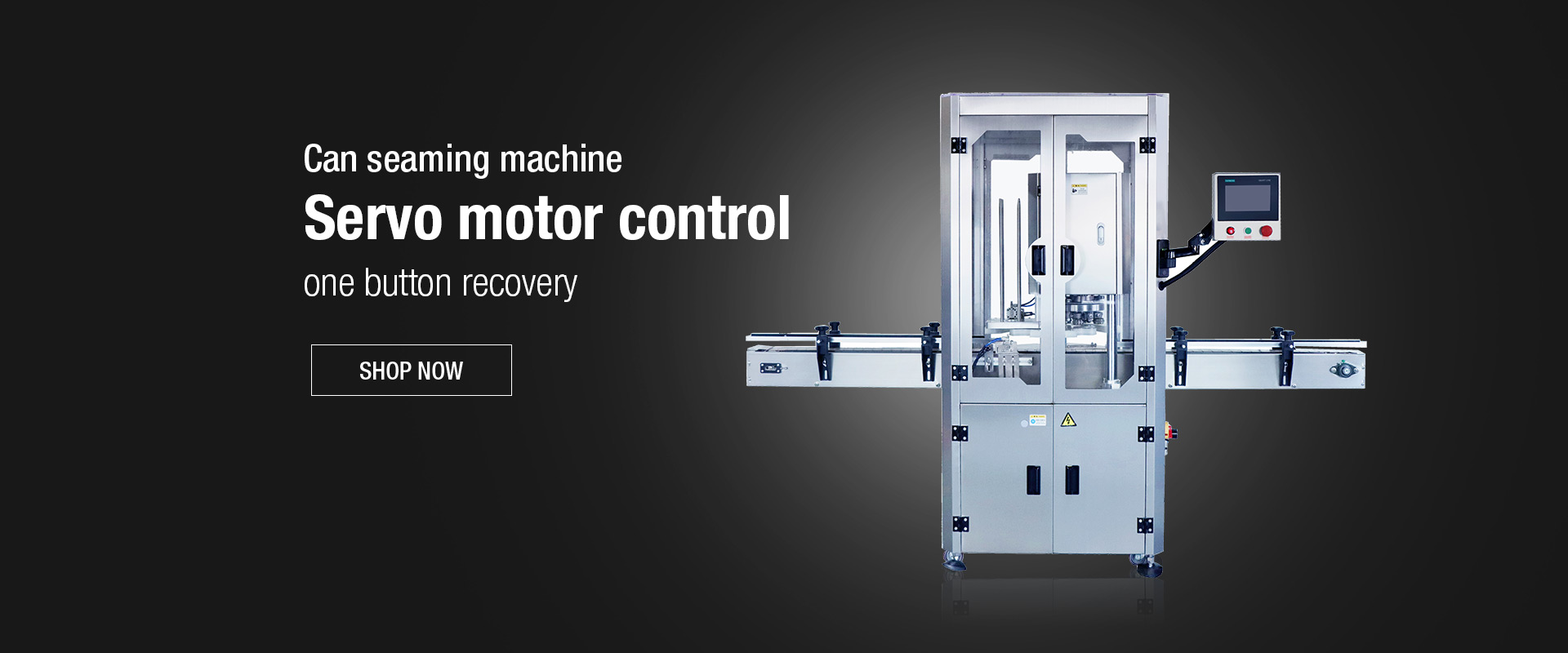
Automatic can seaming machine is widely used in food packaging, beverage production, powder packaging and other industries to seal metal cans and compatible containers. Stable machine operation is essential for maintaining production efficiency, consistent sealing quality and reliable packaging performance.
However, during daily operation, a can seamer may experience electrical faults, turntable malfunctions, seaming roller problems, sensor errors or lid feeding issues.
In this guide, GZFHARVEST explains 13 common automatic can seaming machine problems, their possible causes and practical troubleshooting methods. This guide helps operators and maintenance technicians identify common faults and determine the appropriate corrective actions.
No. | Anomalies |
1 | The device power is connected, but the power indicator is not on, and the touch screen is not on. |
2 | The turntable servo motor is not faulty, but the turntable does not rotate. |
3 | Turntable servo motor failure |
4 | Sealing motor failure |
5 | Seaming roller and tray action does not match |
6 | Seaming roller return is not smooth |
7 | The tray cylinder is not working properly. |
8 | In the auto-running, there are bottles and covers that do not complete the sealing action. |
9 | The device always stops automatically during automatic operation. |
10 | Displacement during turntable operation. |
11 | The bottle enters the turntable, but the turntable does not move |
12 | Nitrogen-filled cylinder does not move |
13 | The lid feeding cylinder is not working properly. |
1. Machine Power Indicator and Touchscreen Do Not Turn On
Possible causes:
The fuse has blown.
The power switch is damaged.
The internal circuit breaker has tripped or is switched off.
Troubleshooting solutions:
Disconnect the power supply before inspection. Check the fuse, power switch and circuit breaker. Replace a damaged fuse with one of the correct specification and reset the circuit breaker if appropriate. If the touchscreen remains off, inspect the power supply and control circuit.
2. The Turntable Does Not Rotate
Possible causes:
The motor or reducer locking screws are loose.
The motor coupling is not properly secured.
The drive mechanism is not transmitting power correctly.
Troubleshooting solutions:
Check the motor, reducer and coupling connections. Tighten loose fasteners and inspect the drive mechanism. If the turntable still does not rotate, check the servo drive, control signals and mechanical components.
3. Turntable Servo Motor Failure
Possible causes:
A can or foreign object is stuck on the turntable.
The turntable torque setting is too low.
Servo motor wiring is loose or incorrectly connected.
The servo drive reports an alarm.
Troubleshooting solutions:
Stop the machine and remove any obstruction after isolating the power. Check the servo motor wiring and drive alarm messages. Adjust the torque setting according to the manufacturer's instructions. If the fault persists, inspect the servo motor and drive system.
4. Seaming Motor Failure
Possible causes:
Loose or poor electrical connections.
A misaligned, damaged or stuck synchronous belt.
An inverter or motor drive fault.
Troubleshooting solutions:
Check the motor wiring and electrical connections. Inspect the synchronous belt for wear, incorrect tension or misalignment, and replace it if necessary. If the motor does not operate normally, check the inverter fault codes and motor condition.
5. Seaming Roller and Seaming Chuck Actions Do Not Match
Possible causes:
The photoelectric sensor that detects the seaming roller's working position may be misaligned or may not provide a reliable signal.
Troubleshooting solutions:
Inspect the sensor position and detection distance. Check its indicator and output signal, then adjust or replace the sensor if necessary. Test the machine at low speed before returning to normal production.
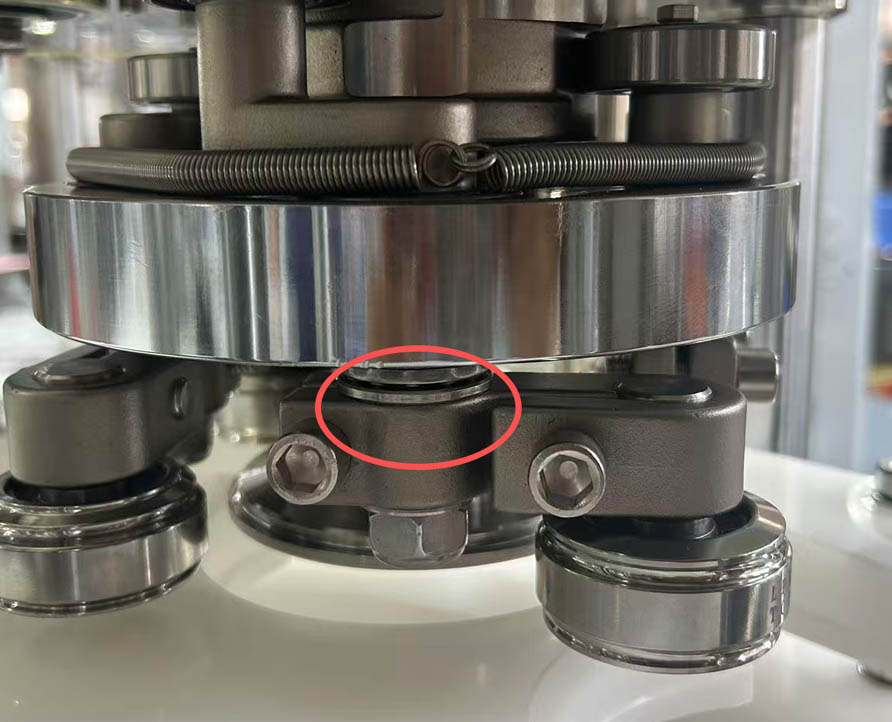
6. The Seaming Roller Does Not Return Smoothly
Possible causes:
Insufficient lubrication at the moving or rotating parts.
A weakened or damaged return spring.
Mechanical friction or component wear.
Troubleshooting solutions:
Clean and lubricate the relevant moving parts according to the maintenance manual. Inspect the return spring and replace it if its tension is insufficient. Check for worn or damaged components that may restrict movement.
7. The Seaming Chuck Tray Cylinder Does Not Operate Properly
Possible causes:
The lid-detection photoelectric sensor may fail to send the required signal, preventing the tray cylinder from operating correctly.
Troubleshooting solutions:
Check the sensor's detection distance, alignment and output signal. Inspect the pneumatic supply and cylinder connections. If the sensor works correctly but the cylinder still fails to move, check the solenoid valve and pneumatic components.
8. Cans and Lids Pass Through the Machine Without Completing the Seaming Cycle
Possible causes:
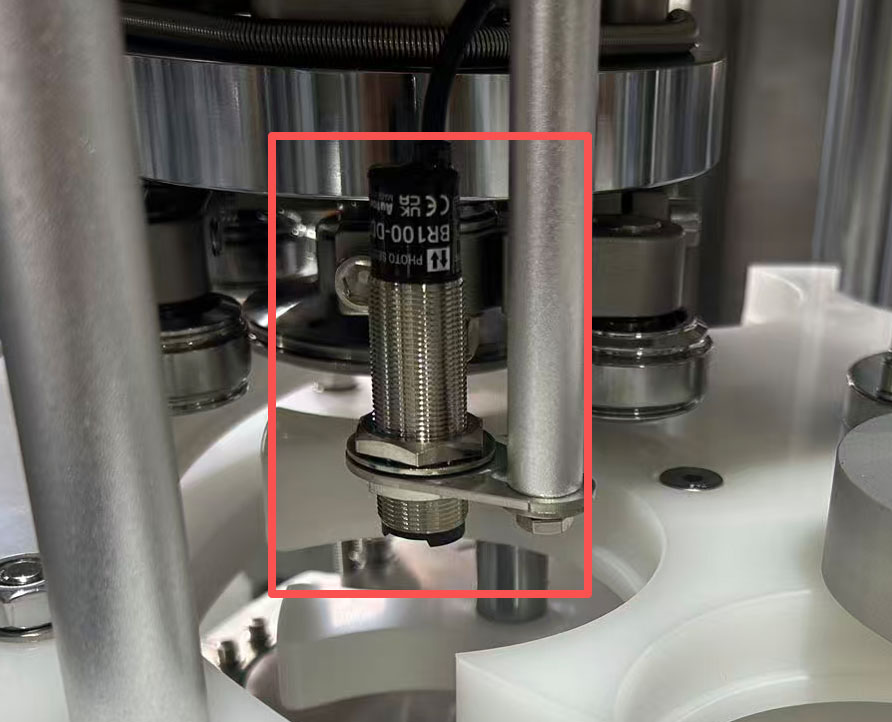
The lid-detection sensor does not recognize the lid correctly.
The seaming roller position sensor provides an abnormal signal.
The sensor detection distance or mounting position is incorrect.
Troubleshooting solutions:
Check the lid-detection sensor before sealing and inspect the seaming roller position sensor. Adjust the detection distance and mounting position according to the manufacturer's instructions. Replace a defective sensor if adjustment does not solve the problem.
9. The Machine Stops Automatically During Operation
Possible causes:
The photoelectric sensor detects an abnormal condition after sealing.
The lid-detection sensor is faulty.
A sensor signal is unstable or interrupted.
Troubleshooting solutions:
Check the sensor indicators, wiring and signal status. Clean the sensor surface and adjust its detection distance if necessary. Review the control system's alarm messages to identify the reason for the automatic stop before restarting production.
10. The Turntable Shifts During Operation
Possible causes:
The locking screw on the upper turntable is loose.
The rotary shaft connection underneath the turntable is not secure.
The motor coupling is loose.
Troubleshooting solutions:
Stop the machine and inspect the upper turntable, rotary shaft and motor coupling. Tighten the relevant fasteners and verify that the turntable is correctly aligned. Run a controlled test to confirm stable operation.
11. A Can Enters the Turntable, but the Turntable Does Not Move
Possible causes:
The can-feeding detection sensor does not generate the required detection signal.
Troubleshooting solutions:
Check the sensor alignment, detection distance, wiring and output signal. Adjust the sensor or replace it if it is defective. Confirm that the can-feeding signal is correctly received by the control system.
12. The Nitrogen-Filling Cylinder Does Not Move
Possible causes:
The nitrogen detection sensor does not generate the required signal. A pneumatic supply or control component fault may also prevent cylinder movement.
Troubleshooting solutions:
Check the nitrogen detection sensor's position and output signal. Inspect the air supply, solenoid valve and cylinder connections. If the sensor operates normally, check the relevant PLC input and pneumatic control circuit.
13. The Lid-Feeding Cylinder Does Not Operate Properly
Possible causes:
The compressed air pressure is too low.
A lid-feeding component is jammed.
The pneumatic valve or cylinder is malfunctioning.
Troubleshooting solutions:
Check that the compressed air supply meets the machine's specified operating pressure. Remove any lid obstruction after stopping the machine and isolating the relevant energy source. Inspect the solenoid valve and cylinder if the problem continues.
Preventive Maintenance Tips for Automatic Can Seaming Machines
1.Regular preventive maintenance helps reduce unplanned downtime and maintain consistent sealing performance.
2. Inspect electrical components: Check fuses, wiring, switches, sensors and control system alarms.
3.Maintain mechanical components: Inspect locking screws, motor couplings, belts, bearings and moving parts.
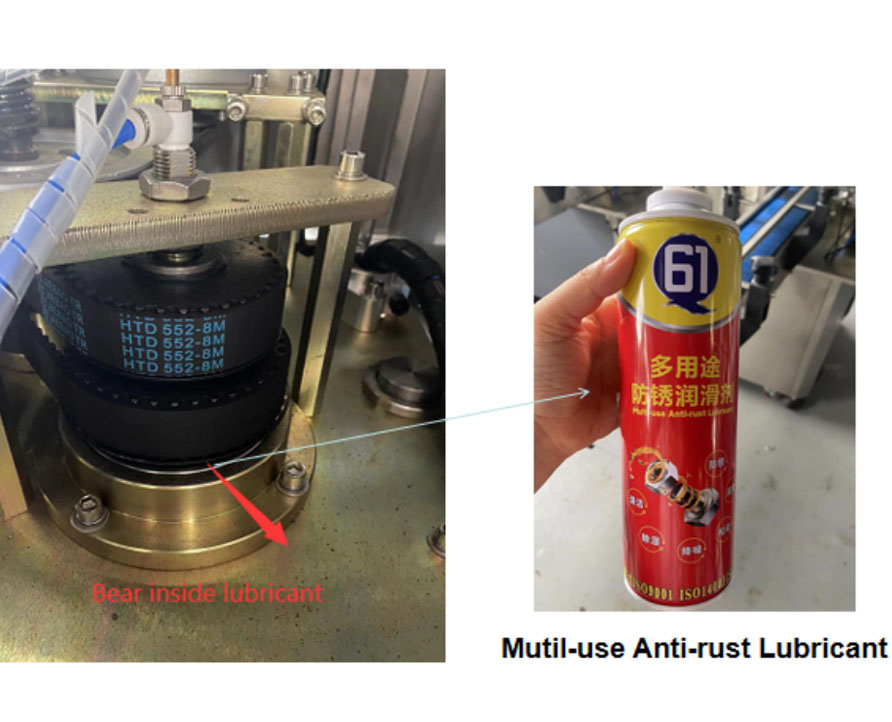
4.Lubricate regularly: Follow the manufacturer's maintenance schedule and use the recommended lubricant.
5.Check pneumatic systems: Monitor air pressure, valves, cylinders and air connections.
6.Clean photoelectric sensors: Remove dust and residue that may interfere with detection.
7.Verify seaming quality: Regularly inspect the sealed cans for loose seams, deformation and other sealing defects.
8.Record machine alarms: Document recurring faults and corrective actions to help identify underlying problems.
When Should You Contact the Manufacturer?
If a fault continues after basic troubleshooting, the machine repeatedly stops, the servo drive displays an alarm, or the finished cans show abnormal seams, contact the equipment manufacturer for technical assistance.
Provide the machine model, alarm code, a description of the problem and clear photos or videos of the affected components. This information can help the technical team identify the cause more efficiently.
Do not bypass safety interlocks or continue operating a machine with an unresolved electrical, mechanical or sealing-quality problem.
GZFHARVEST: Can Seaming and Packaging Machine Solutions
Guangzhou Full Harvest Industries Co., Ltd. (GZFHARVEST) specializes in can seaming machines and integrated packaging equipment for food, beverage, powder and other packaging applications.
Our product range includes automatic can seaming machines, vacuum can seamers, vacuum nitrogen-flushing can sealers, filling machines, capping machines, labeling machines and complete packaging lines.
Different products and containers require different filling and sealing configurations. When selecting a can seaming machine, manufacturers should consider the container material, can diameter, lid type, production capacity and required sealing process.
Visit https://www.gzfharvest.com/ to explore our packaging equipment and contact our team to discuss your can sealing requirements.
Frequently Asked Questions
1. Why does an automatic can seaming machine stop suddenly?
Common causes include sensor detection errors, servo drive alarms, mechanical obstructions, electrical faults and pneumatic problems. Check the machine alarm messages and sensor signals before restarting the equipment.
2. Why does the turntable fail to rotate?
Possible causes include loose motor connections, a mechanical obstruction, an incorrectly adjusted servo system or a faulty sensor signal. Inspect the drive mechanism and control system to determine the cause.
3. Why does the seaming roller fail to return to its original position?
Insufficient lubrication, a weakened return spring or mechanical wear can prevent smooth movement. Inspect the relevant components and carry out maintenance according to the machine manual.
4. Why does the lid-feeding cylinder fail to work?
Low compressed air pressure, a jammed lid-feeding component, a faulty solenoid valve or a cylinder problem may prevent the mechanism from operating normally.
5. How can I reduce downtime on a can seaming production line?
Follow a preventive maintenance schedule, keep sensors clean, inspect moving components, monitor electrical and pneumatic systems, and record recurring alarms. Regularly verify finished-can seam quality.
Conclusion
Understanding common automatic can seaming machine faults helps operators identify problems faster, reduce unnecessary downtime and maintain reliable packaging production. By following systematic troubleshooting procedures and carrying out regular preventive maintenance, manufacturers can improve equipment reliability and sealing consistency.
For persistent faults or sealing-quality issues, consult the equipment manufacturer before resuming production.
No.3 Gongye South Road,Mingzhu Industrial Park,Conghua District ,Guangzhou City 510900,China
+86 20 3751 0321
FOLLOW US


Tel/ Fax: +86 20 3751 0321
E-mail: sales@gzfharvest.com
Add: No.3 Gongye South Road,Mingzhu Industrial Park,Conghua District ,Guangzhou City 510900,China