


Sep. 06, 2026
Tape sealing on rigid containers can look simple, but small changes in tape path, pressure, container handling, or tape specification often show up as visible defects on the finished package. Wrinkles, lifted edges, uneven overlap, or inconsistent tape position can reduce package appearance, affect closure performance, and increase rework or waste.
This guide is intended for packaging engineers, production supervisors, maintenance technicians, and equipment buyers who operate or plan tape around sealing lines for tins, plastic jars, paper cans, and compatible rigid containers. It explains common tape sealing problems, how to identify likely causes, and what maintenance actions can help keep tape application stable over time.
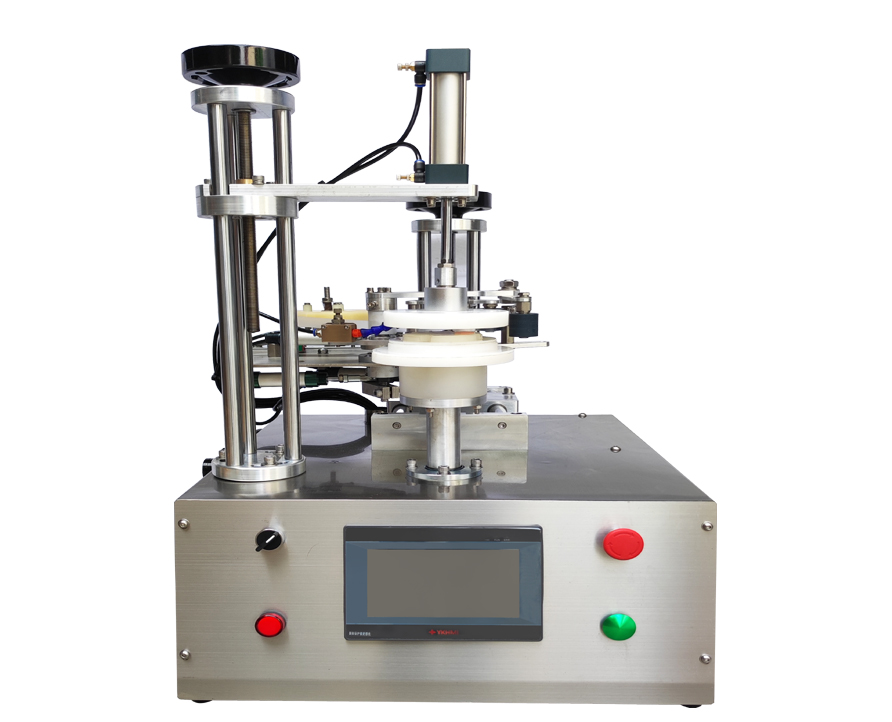
Most tape sealing issues on container lines fall into a limited set of patterns. Recognizing the pattern helps narrow down whether the root cause is related to tape, container, machine adjustment, or daily maintenance.
Wrinkles often appear when tape passes corners, changing radii, or curved container surfaces. Possible contributors include unsuitable tape tension, uneven pressure roller contact, sharp container corners, unstable container movement, or a tape specification that does not match the container geometry.
Tape lifting can occur soon after application or during storage and transport. Common factors include oily or dusty container surfaces, unsuitable tape adhesive for the material, low surface energy on some plastics, moisture, product residue, or tape that has been stored in poor conditions.
If the tape overlap moves from package to package, the tape path, guide position, or container alignment may need adjustment. Irregular container spacing, inconsistent conveyor speed, or variations in container diameter and corner geometry can also shift the tape position during application.
Frequent tape breaks or unstable unwind behavior can result from incorrect brake setting, damaged tape core, poor tape quality, misaligned tape guides, or worn components in the tape head. The tape roll should unwind smoothly without sudden jumps or excessive drag.
When containers do not enter the sealing zone in a consistent position, tape may be applied off-center, at varying heights, or with uneven pressure. Tall, narrow, lightweight, or irregularly shaped containers are more likely to shift if guide rails, conveyor speed, or infeed spacing are not well matched to the package.
Before making major adjustments, check the simple items that most often cause tape sealing problems. A structured check helps avoid unnecessary changes that can introduce new issues.
Confirm that the tape width, backing, and adhesive type match the container material and the intended application area.
Check that the tape roll is correctly mounted, unwinds smoothly, and passes through all guides without rubbing or catching.
Inspect pressure rollers, tape guides, and contact components for wear, debris, or adhesive buildup.
Verify that container guides are set to the correct width and height for the current package format.
Run a small batch of production containers and observe tape application at normal line speed.
If the problem appears only on certain container formats, compare those formats with packages that run without issues. Differences in diameter, corner radius, wall rigidity, lid design, or surface condition often explain why one format shows defects while another does not.
Regular maintenance does not eliminate all tape sealing problems, but it reduces the frequency and severity of issues related to wear, contamination, and gradual misalignment.
Adhesive residue, dust, and product particles can accumulate on tape guides, pressure rollers, and container contact surfaces. Over time, this buildup can change tape tension, reduce pressure contact, or cause tape to track unevenly. Wipe these components with a suitable cleaner and a lint-free cloth according to the machine manual.
Pressure rollers should rotate freely and maintain even contact with the container. Worn, flattened, or damaged rollers can create uneven pressure and inconsistent tape application. Guide rails should be smooth and free of sharp edges that could scratch containers or disturb tape tracking.
The tape head should hold the roll securely and allow smooth unwind without sudden stops or jerks. Brake settings, if adjustable, should be set so that the tape neither overruns nor drags excessively. Misaligned tape guides inside the head can cause the tape to track to one side and increase the risk of wrinkles or breaks.
Conveyor belts or chains should run true, without excessive vibration or lateral movement. Container spacing should be consistent, especially in automatic lines. If containers collide, tilt, or rotate unpredictably before reaching the sealing zone, tape application will vary from package to package.
Tape performance can change if rolls are stored in high temperature, high humidity, or direct sunlight. Keep tape in a clean, dry area, and avoid using rolls that show signs of deformation, adhesive ooze, or damaged cores.
Adjustments should be made after confirming that tape, container, and basic maintenance conditions are correct. Small, documented changes are safer than large, simultaneous adjustments.
Adjust tape tension gradually and observe the effect on wrinkles, overlap, and tape tracking.
Modify pressure roller position or force in small steps, testing with production containers after each change.
Re-position container guides to match the current package format, then run a short trial before returning to full production.
Record the settings that work well for each container format so that changeovers can be repeated reliably.
If problems persist after reasonable adjustments, the issue may be related to an unsuitable tape specification, an incompatible container design, or a component that needs replacement rather than adjustment.
Troubleshooting can also reveal whether the current equipment configuration is well matched to the packaging requirement. For example, frequent container misalignment may indicate that a different guide arrangement, conveyor layout, or automation level would be more suitable. Persistent tape defects on special-shaped containers may require a project-specific assessment rather than further adjustment of a general configuration.
For buyers who are still selecting equipment, understanding these problem patterns can help define the right questions before purchase. Container samples, tape specifications, and target output should be reviewed together with the machine supplier to avoid selecting a configuration that cannot meet the actual packaging conditions.
For background on matching equipment to container formats, see how to match tape sealing equipment to container shapes.
A packaging line applies tape around the lid area of round and square tins. Over several weeks, operators notice increasing tape wrinkles on square containers, while round tins remain acceptable.
Observed Problem: Tape wrinkles appear mainly on square containers, especially at corners.
Maintenance Actions: The team cleans tape guides and pressure rollers, checks tape unwind behavior, and inspects container guides. They find adhesive buildup on one pressure roller and slight misalignment of a tape guide.
Result: After cleaning and realignment, wrinkles on square containers are reduced. The line adds this check to the regular maintenance schedule for formats with sharp corners. This is a typical maintenance scenario, not a published customer case.
Different container shapes and materials interact with tape in different ways. Formats with sharp corners, changing radii, or flexible walls are more likely to show wrinkles if tape tension, pressure, or guide arrangement is not well matched to that specific format.
Cleaning frequency depends on production environment, tape type, and container condition. Lines running in dusty or oily environments, or using containers with product residue, may need more frequent cleaning. Follow the machine manual and adjust based on observed tape quality.
Not always. Tape changes can help, but many problems are related to container handling, machine adjustment, or maintenance condition. Tape, container, and machine should be reviewed together to identify the main cause.
Check container surface condition, tape adhesive type, and storage environment. Oily or dusty surfaces, low surface energy plastics, and poor tape storage conditions can all contribute to reduced adhesion over time.
If pressure rollers, guides, or tape head components show visible wear, deformation, or damage that cannot be corrected by cleaning or adjustment, replacement is usually more effective than repeated adjustment.
Guangzhou Full Harvest Industries Co., Ltd. supplies packaging machinery for can and container production lines, including filling, sealing, capping, labeling, and taping sealing machine. For tape sealing projects, the company can review package shape, material, tape position, target output, and packaging-line connection requirements to support practical configuration planning and troubleshooting guidance.
Packaging Machinery Safety
https://www.osha.gov/laws-regs/standardinterpretations/1999-12-08
Machine Guarding Overview
https://www.osha.gov/machine-guarding
General Requirements for All Machines
https://www.osha.gov/laws-regs/regulations/standardnumber/1910/1910.212
No.3 Gongye South Road,Mingzhu Industrial Park,Conghua District ,Guangzhou City 510900,China
+86 20 3751 0321
FOLLOW US


Tel/ Fax: +86 20 3751 0321
E-mail: sales@gzfharvest.com
Add: No.3 Gongye South Road,Mingzhu Industrial Park,Conghua District ,Guangzhou City 510900,China