


May. 12, 2026
As global manufacturing accelerates toward automation, high‑precision quality control, and Industry 4.0 integration, selecting the right Capping Machine has become a strategic decision for factories in food, beverage, pharmaceutical, cosmetic, and chemical sectors. A well‑chosen capping system directly affects sealing integrity, product safety, production efficiency, and long‑term operational cost. This article provides a complete, engineering‑driven decision framework to help factories evaluate, compare, and select the most suitable automated capping machine for modern production lines.
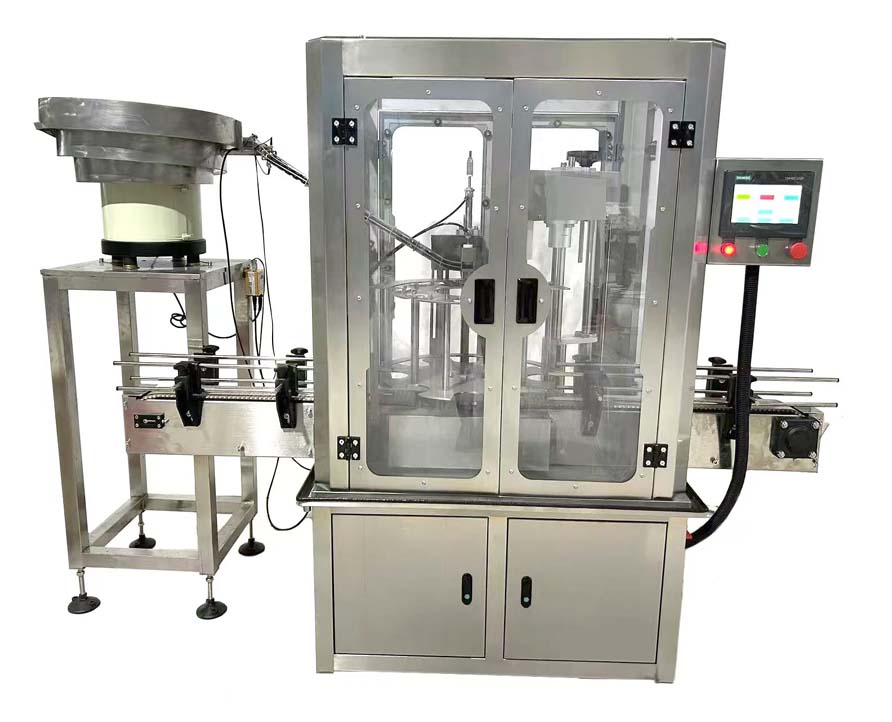
The U.S. Food and Drug Administration (FDA.gov) identifies improper sealing as a major cause of product recalls in food and beverage categories. The National Institutes of Health (NIH.gov) emphasizes that pharmaceutical packaging must maintain “consistent torque and tamper‑evident integrity” to meet GMP requirements. These regulatory pressures make capping machine selection a critical engineering and business decision.
A suitable capping machine ensures:
- High torque accuracy
- Stable sealing performance
- Reduced contamination risk
- Consistent product quality
- Lower labor dependency
- Long‑term cost efficiency
Factories that choose the wrong machine often face:
- Leakage complaints
- Torque inconsistency
- High defect rates
- Frequent downtime
- Increased maintenance cost
A complete capping machine selection process should evaluate:
1. Product Characteristics
2. Cap Type & Bottle Compatibility
3. Required Torque Accuracy
4. Production Speed & Throughput
5. Automation Level
6. Hygiene & Compliance Requirements
7. Technology Options (Servo, PLC, Vision)
8. Total Cost of Ownership (TCO)
9. Supplier Capability & After‑Sales Support
This framework ensures that factories make decisions based on engineering logic, not guesswork.
Different products require different sealing technologies:
Food & Beverage
- Vacuum sealing for sauces, pickles, jams
- High‑speed capping for water, juice, soft drinks
- USDA.gov emphasizes minimizing microbial exposure
Pharmaceutical
- Child‑resistant caps
- Tamper‑evident sealing
- NIH.gov requires torque consistency and GMP compliance
Chemicals
- High torque
- Corrosion‑resistant materials
- Stable gripping for HDPE containers
Understanding product characteristics determines whether you need:
- Screw capping
- Press capping
- Vacuum capping
- Snap‑on capping
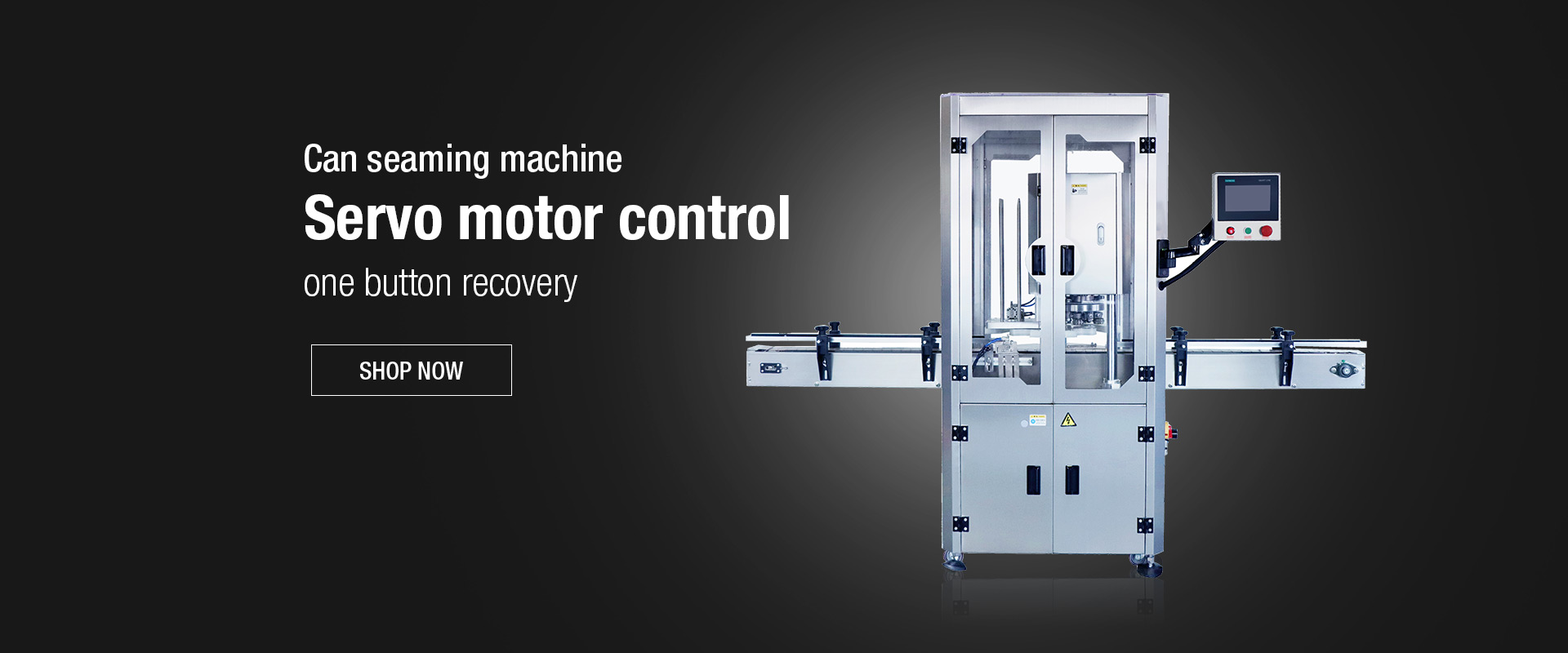
- Servo torque capping
Cap types directly influence machine selection:
- Plastic screw caps
- Metal twist‑off caps
- Aluminum ROPP caps
- Pump caps
- Trigger sprayers
- Flip‑top caps
- Press‑on caps
Bottle materials also matter:
- PET
- Glass
- HDPE
- PP
A mismatch between cap type and machine type leads to:
- Misalignment
- Over‑tightening
- Under‑tightening
- Leakage
Torque accuracy is the heart of capping performance.
MIT Mechanical Engineering (mit.edu) defines torque as a function of rotational force and mechanical stability—critical for sealing integrity.
Recommended torque accuracy:
- ±2–5% for pharmaceutical
- ±5–8% for food & beverage
- ±8–10% for chemicals
If your product requires high torque precision, choose:
- Servo capping machine
- Multi‑wheel torque capping head
- PLC‑controlled torque monitoring
NIST.gov confirms that servo‑driven torque systems provide the highest repeatability.
Production speed determines machine type:
| Production Speed | Recommended Machine |
|---|---|
| 10–30 bpm | Semi‑auto capping |
| 30–120 bpm | Linear screw capping |
| 120–600 bpm | Rotary capping |
| Vacuum sealing | Vacuum capping machine |
High‑speed beverage lines typically require rotary cappers, while sauce and condiment lines often use vacuum cappers.
Automation level affects labor cost, consistency, and long‑term ROI.
Semi‑Automatic
- Low cost
- High labor dependency
- Suitable for small batches
Fully Automatic
- High consistency
- Low labor requirement
- Best for medium‑to‑large factories
Servo‑Driven Automatic
- Highest precision
- Fastest changeover
- Best for multi‑SKU production
Food & Beverage
- FDA sealing requirements
- USDA hygiene standards
- Clean‑design stainless steel
Pharmaceutical
- GMP compliance
- Torque verification
- Tamper‑evident sealing
Chemicals
- Corrosion‑resistant materials
- High‑torque capability
Cornell University Food Science (cornell.edu) highlights the importance of vacuum sealing for shelf‑stable foods.
Servo Technology
- High torque accuracy
- Programmable torque curves
- Fast changeover
PLC + HMI
- Recipe storage
- Real‑time torque monitoring
- Error diagnostics
Vision Inspection
- Cap presence detection
- Cap alignment verification
- Seal integrity inspection
NIST.gov reports that vision inspection reduces defects by up to 80%.
TCO includes:
- Initial machine cost
- Maintenance
- Spare parts
- Downtime
- Labor cost
- Energy consumption
Servo systems often have higher upfront cost but lower long‑term cost.
A reliable supplier should offer:
- Engineering expertise
- Customization capability
- Strong after‑sales support
- Spare parts availability
- Global customer references
| Machine Type | Best For | Torque Accuracy | Speed | Automation | Notes |
|---|---|---|---|---|---|
| Semi‑Auto | Small batches | Low | 10–30 bpm | Low | Labor‑intensive |
| Linear Screw Capper | Medium production | Medium | 30–120 bpm | Medium | Good flexibility |
| Rotary Capper | High‑speed lines | High | 120–600 bpm | High | Best for beverages |
| Servo Capper | Multi‑SKU, pharma | Very High | 60–300 bpm | Very High | Highest precision |
| Vacuum Capper | Sauces, pickles | High | Medium | High | Removes oxygen |
A sauce manufacturer needed:
- Vacuum sealing
- Medium speed (80 bpm)
- High hygiene
- Low oxygen exposure
After evaluation, they selected a vacuum capping machine with:
- Stainless steel clean‑design
- Torque monitoring
- Vision inspection
Results:
- Zero leakage complaints
- +35% shelf life improvement
- –40% labor cost
Torque accuracy and cap/bottle compatibility.
Yes, if you require high precision or frequent changeovers.
Sauces, pickles, jams, preserved foods.
Check engineering capability, after‑sales support, and global references.
FDA – “Guidance for Industry: Food Labeling Guide – Packaging and Sealing Requirements”
https://www.fda.gov/media/81606/download
USDA – “Food Safety and Inspection Service: Shelf-Stable Food Safety”
MIT Mechanical Engineering – “Torque and Rotational Dynamics: Fundamentals and Applications”
https://ocw.mit.edu/courses/8-01sc-classical-mechanics-fall-2016/pages/week-3-torque/
NIST – “Torque Calibration and Measurement Standards”
https://www.nist.gov/pml/engineering-physics-division/torque-calibration
Cornell University Food Science – “Vacuum Packaging and Food Safety Principles”
https://foodscience.cals.cornell.edu/extension/food-safety/vacuum-packaging/
No.3 Gongye South Road,Mingzhu Industrial Park,Conghua District ,Guangzhou City 510900,China
+86 20 3751 0321
FOLLOW US


Tel/ Fax: +86 20 3751 0321
E-mail: sales@gzfharvest.com
Add: No.3 Gongye South Road,Mingzhu Industrial Park,Conghua District ,Guangzhou City 510900,China